
Understanding the Lifespan of Different Window Types
Windows play a crucial role in the comfort, energy efficiency, and aesthetics of any building. Choosing the right window type means considering not only style and insulation but also how long the window will last. This post explores the lifespan of various window types, from older single pane metal windows to modern double pane vinyl options, helping you make informed decisions for your home or project.

Lifespan of Single Pane Metal Windows
Single pane metal windows were common in mid-20th century construction. These windows consist of a single sheet of glass set in a metal frame, often steel or aluminum. While metal frames are strong, they have some drawbacks that affect their lifespan.
Typical lifespan: 20 to 30 years
Common issues: Metal frames can corrode or rust over time, especially in humid or coastal environments. The single glass pane offers poor insulation, leading to condensation and potential frame damage.
Maintenance: Regular painting and rust treatment can extend life, but these windows generally require replacement for better energy efficiency and durability.
Single pane metal windows are often found in older buildings and may still function but usually fall short of modern standards for comfort and energy savings.
Lifespan of Single Pane Wood Windows
Wood frames paired with single pane glass were also popular historically. Wood offers a classic look but demands more upkeep.
Typical lifespan: 30 to 50 years with proper maintenance
Common issues: Wood can rot, warp, or crack if exposed to moisture without adequate sealing. Single glass panes provide minimal insulation, increasing heat loss.
Maintenance: Regular painting or staining, sealing, and occasional repairs are necessary to prevent deterioration.
Well-maintained wood windows can last decades, but they require more attention than metal or vinyl options.
Lifespan of Double Pane Aluminum Windows
Double pane windows improved energy efficiency by adding a second glass layer with an air or gas-filled space between panes. Aluminum frames are lightweight and durable but conduct heat easily.
Typical lifespan: 20 to 40 years
Common issues: Aluminum frames can corrode if not properly coated. The seal between glass panes may fail over time, causing fogging or condensation inside the window.
Maintenance: Minimal maintenance is needed for coated aluminum, but seal failure usually means window replacement.
Double pane aluminum windows offer better insulation than single pane but still lag behind newer materials in energy performance.

Lifespan of Double Pane Vinyl Windows
Vinyl windows have become popular for their durability, low maintenance, and energy efficiency. Double pane vinyl windows combine two glass layers with a vinyl frame that resists moisture and temperature changes.
Typical lifespan: 30 to 50 years or more
Common issues: Vinyl can discolor or warp in extreme heat but generally holds up well. The seals between panes can fail but modern manufacturing has improved seal longevity.
Maintenance: Occasional cleaning and inspection of seals; no painting or sealing required.
Vinyl windows provide excellent insulation, reducing energy costs and improving comfort. Their long lifespan and low upkeep make them a smart investment.
Lifespan of Triple Pane and Specialty Windows
Some newer windows feature triple pane glass or specialty coatings for enhanced insulation and noise reduction.
Typical lifespan: 30 to 50 years
Benefits: Improved energy efficiency and soundproofing, often with inert gas fills and low-emissivity coatings.
Considerations: Higher upfront cost but potential savings on heating and cooling bills.
These windows are ideal for extreme climates or homes near busy roads.
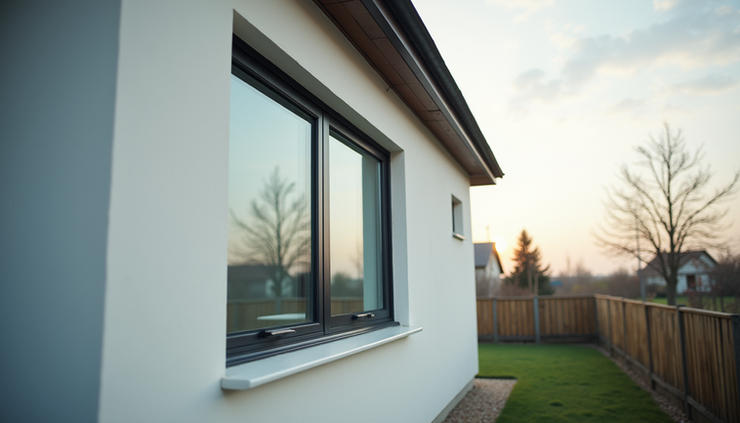
Factors That Affect Window Lifespan
Several factors influence how long a window lasts, regardless of type:
Climate: Harsh weather, humidity, and salt air can accelerate wear.
Installation quality: Poor installation can cause leaks, drafts, and premature failure.
Maintenance: Regular cleaning, sealing, and repairs extend window life.
Usage: Windows that open frequently or are exposed to physical stress may wear faster.
Choosing windows suited to your environment and maintaining them properly will maximize their lifespan.
Making the Right Choice for Your Home
When selecting windows, consider how long you want them to last alongside energy efficiency, style, and budget. Here’s a quick summary:
Single pane metal: Short lifespan, low insulation, often replaced in renovations.
Single pane wood: Longer lifespan with upkeep, classic look but higher maintenance.
Double pane aluminum: Moderate lifespan, better insulation, some corrosion risk.
Double pane vinyl: Long lifespan, low maintenance, excellent insulation.
Triple pane/specialty: Long lifespan, premium insulation, higher cost.
Vinyl windows often offer the best balance of durability, energy savings, and maintenance ease for most homeowners today.
Windows are a long-term investment that affects your home’s comfort and value. Understanding the lifespan of different window types helps you plan replacements wisely and choose options that fit your needs. If your windows are aging or inefficient, consider upgrading to double pane vinyl or specialty windows to enjoy better performance and peace of mind for decades.
For personalized advice on window replacement or maintenance, consult a local window professional who can assess your home’s specific conditions. Taking action now can improve your home’s energy efficiency and curb appeal for years to come.


Comments