
What do Home Inspectors Look For?
When buying or selling a home, a professional home inspection plays a crucial role in revealing the true condition of the property. Home inspectors look beyond the surface to identify issues that could affect safety, value, and future maintenance costs. Understanding what inspectors focus on can help homeowners and buyers prepare for the process and know what to expect.
This article breaks down the ten key areas home inspectors examine during inspections. Each factor highlights important aspects that influence a home's overall health and livability.
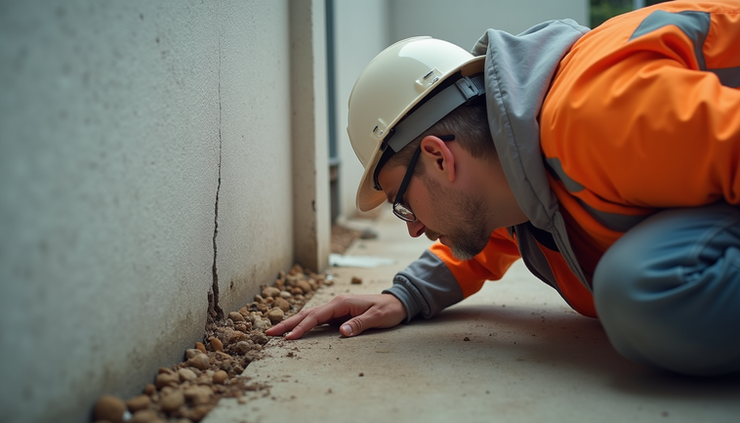
1. Structural Components
The foundation, walls, beams, and framing form the backbone of any home. Inspectors check for cracks, shifts, or signs of water damage that could compromise structural integrity. For example, uneven floors or visible cracks in the foundation may indicate settling issues or poor construction.
Inspectors also look at load-bearing walls and support beams to ensure they are sound. Any signs of rot, insect damage, or deterioration can lead to costly repairs if left unaddressed.
2. Roof Condition
The roof protects the entire home from weather elements. Inspectors assess the age, material, and condition of the roof covering, such as shingles or tiles. They look for missing or damaged shingles, sagging areas, and signs of leaks.
Proper flashing around chimneys, vents, and skylights is also checked to prevent water intrusion. A roof nearing the end of its lifespan or showing damage can be a major expense for homeowners.
3. Plumbing System
Water supply lines, drains, fixtures, and water heaters are all part of the plumbing system that inspectors evaluate. They check for leaks, corrosion, and proper water pressure.
Inspectors also test faucets, toilets, and showers to ensure they function correctly. Older homes may have outdated piping materials like galvanized steel, which can cause blockages or leaks over time.
4. Electrical System
Safety is a top concern when it comes to electrical systems. Inspectors examine the main electrical panel, circuit breakers, wiring, outlets, and switches.
They look for outdated wiring such as knob-and-tube or aluminum wiring, which can pose fire hazards. Proper grounding, functioning GFCI outlets in wet areas, and adequate circuit capacity are also verified.
5. Heating, Ventilation, and Air Conditioning (HVAC)
Inspectors assess the heating and cooling systems to ensure they operate efficiently and safely. This includes furnaces, heat pumps, air conditioners, ductwork, and thermostats.
They check for signs of wear, leaks in refrigerant lines, and proper ventilation. A poorly maintained HVAC system can lead to higher energy bills and uncomfortable living conditions.
6. Interior Rooms and Surfaces
Walls, ceilings, floors, doors, and windows are inspected for damage, moisture, and proper operation. Inspectors look for cracks, stains, or mold that could indicate leaks or structural problems.
They also test doors and windows to ensure they open, close, and lock properly. Proper insulation and sealing around windows help with energy efficiency.
7. Exterior Elements
The home's exterior siding, trim, porches, decks, and balconies are checked for damage or decay. Inspectors look for peeling paint, rotting wood, or gaps that could allow water or pests inside.
Drainage around the foundation is also important. Inspectors verify that gutters and downspouts direct water away from the home to prevent foundation issues.
8. Insulation and Ventilation
Proper insulation helps maintain comfortable indoor temperatures and reduces energy costs. Inspectors check attic, wall, and crawl space insulation levels.
Ventilation is equally important to prevent moisture buildup and mold growth. Inspectors look for adequate attic vents, exhaust fans in bathrooms and kitchens, and signs of condensation.
9. Appliances and Fixtures
Built-in appliances like ovens, dishwashers, and garbage disposals are tested for functionality. Inspectors also check plumbing fixtures, lighting, and smoke detectors.
While inspectors do not guarantee appliance lifespan, they note any visible defects or malfunctions that could affect usability.
10. Safety Features
Home inspectors ensure that safety features meet basic standards. This includes smoke and carbon monoxide detectors, handrails on stairs, secure railings on decks, and proper egress windows in bedrooms.
They also look for trip hazards, exposed wiring, and other conditions that could pose risks to occupants.
Knowing what home inspectors look for helps buyers and sellers approach inspections with confidence. It also highlights areas where maintenance or repairs may be needed to protect the home's value and safety.
If you are preparing for a home inspection, consider reviewing these key factors yourself. This can help you address minor issues before the inspection and better understand the inspector’s report.
A thorough inspection is an investment in peace of mind, helping you make informed decisions about your home purchase or sale. Take the time to learn what matters most during an inspection and use that knowledge to safeguard your property.
Ready to schedule a home inspection or want to learn more about the process? Reach out to us today for scheduling.


Comments